"We are calling it the rebirth of River Hills, a return to glory," general manager Bryan McManis told a local reporter last year. He was talking about the club's greens, its courts, its pool. He wasn't talking about the other rebuild happening at the same time, on the same 200 acres, led by people who don't answer to him at all.
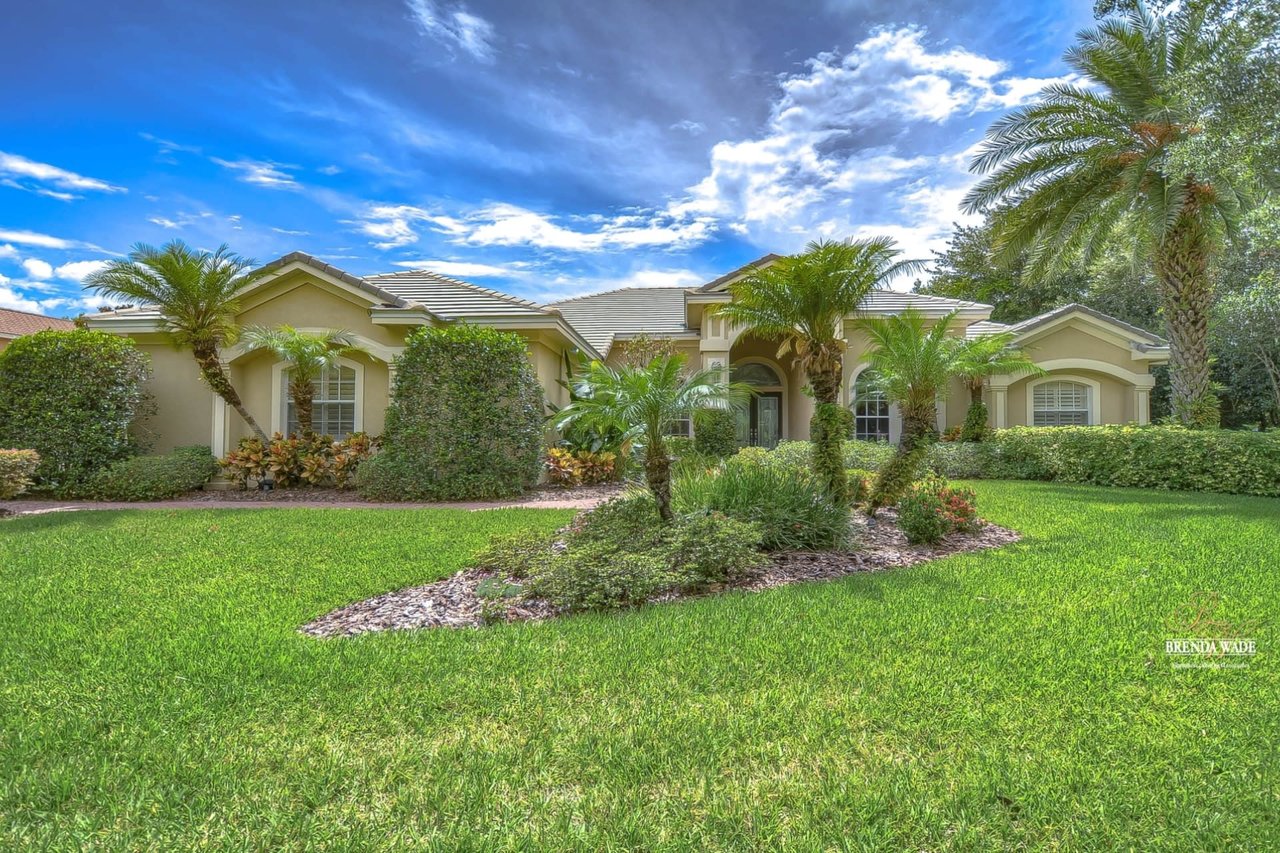
If you live inside the gates on New River Hills Parkway, you've probably noticed both without connecting them. The golf course plays differently than it did five years ago. The pickleball courts are new enough that you're still learning where to park. And somewhere behind the driving range, past a sidewalk most people walk right by, there's a trail system that didn't exist in any developer's brochure and wasn't built by anyone the HOA hired.
Two different rescues, running in parallel, both finishing at roughly the same time. That's the actual story of River Hills in 2026, and it's worth understanding because it explains why the place feels different this year than it did even three summers ago.
The Golf Course Nobody Wanted to Own
River Hills Country Club opened in 1989. By 2000, the original developer had sold out and moved on, and the club passed through a series of owners over the next two decades. By the time the last of them was ready to sell in 2018, the course had the kind of deferred maintenance that shows up in every system at once.
"There was a massive amount of deferred maintenance to the golf course infrastructure, to the pump systems, to everything you can name," the club's superintendent, Dave Patterson, said of the state of things before the turnover. He was hired in October 2019, right after the River Hills Community Association's Master Association bought the club outright that September. It was an unusual move. Homeowners associations don't typically buy golf courses. They pay dues to someone else who owns and runs the amenity. Here, the neighbors became the owner, because the alternative was watching the club's condition keep sliding, or worse, watching it get sold to a developer with other plans for the acreage.
The turnaround took years, not months. The greens weren't resurfaced until October 2024, five years after the purchase, using Champion Dwarf Bermuda grass, the same surface found on a dozen PGA Tour courses. The bunkers around those greens got their own renovation the following summer, in 2025. And in January 2025, six pickleball courts opened after a refinish, with a seven-court expansion already in the works, a sign of how fast that sport's demand grew inside a community that was originally built around tennis and golf.
None of this happened as one project. It happened as a sequence, paid for and voted on by the same people who live here, spread across roughly six years, finishing in pieces that only recently added up to something residents actually recognize as new.
Here's what landed in just the last two years:
- Championship greens resurfaced, October 2024
- Six refinished pickleball courts opened, January 2025, with a seven-court facility planned
- Greenside bunkers renovated, summer 2025
That's not a single grand reopening. It's a club that kept getting better in stages, quietly enough that you had to be paying attention to notice the pattern.
A Trail That Was Never on Any Site Plan
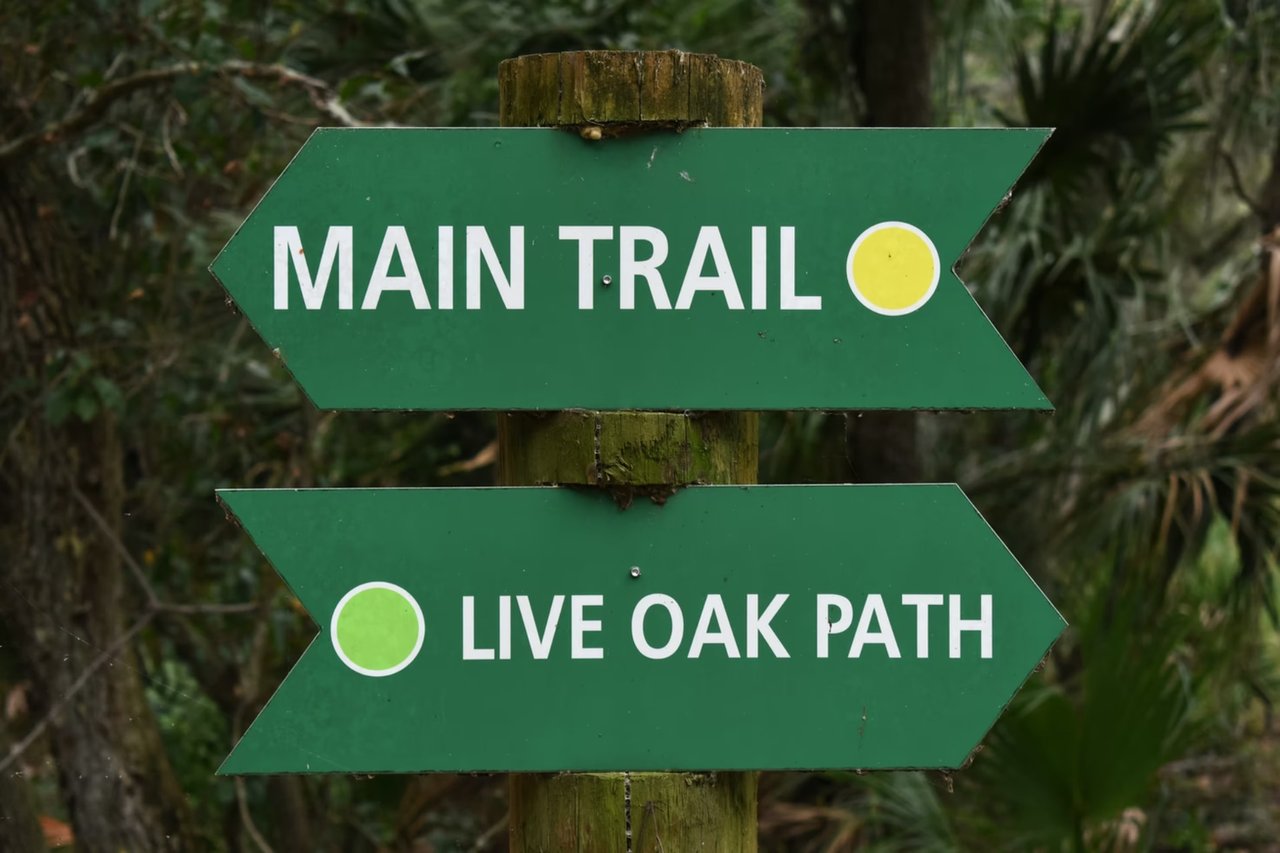
While the HOA was still negotiating the golf course purchase, a separate and unrelated thing was happening in the woods behind the clubhouse. In the opening weeks of 2020, before anyone in Florida had heard the word lockdown, a small group of residents went looking for what they'd heard might still be there: old paths along the Alafia River that had been cut decades earlier and mostly reclaimed by the woods.
They found them. The rediscovery is dated January 20, 2020, the moment a resident confirmed the original trails still existed under the overgrowth. The trail network itself was formally named less than two weeks later, on February 2, 2020, by the first group to walk it end to end.
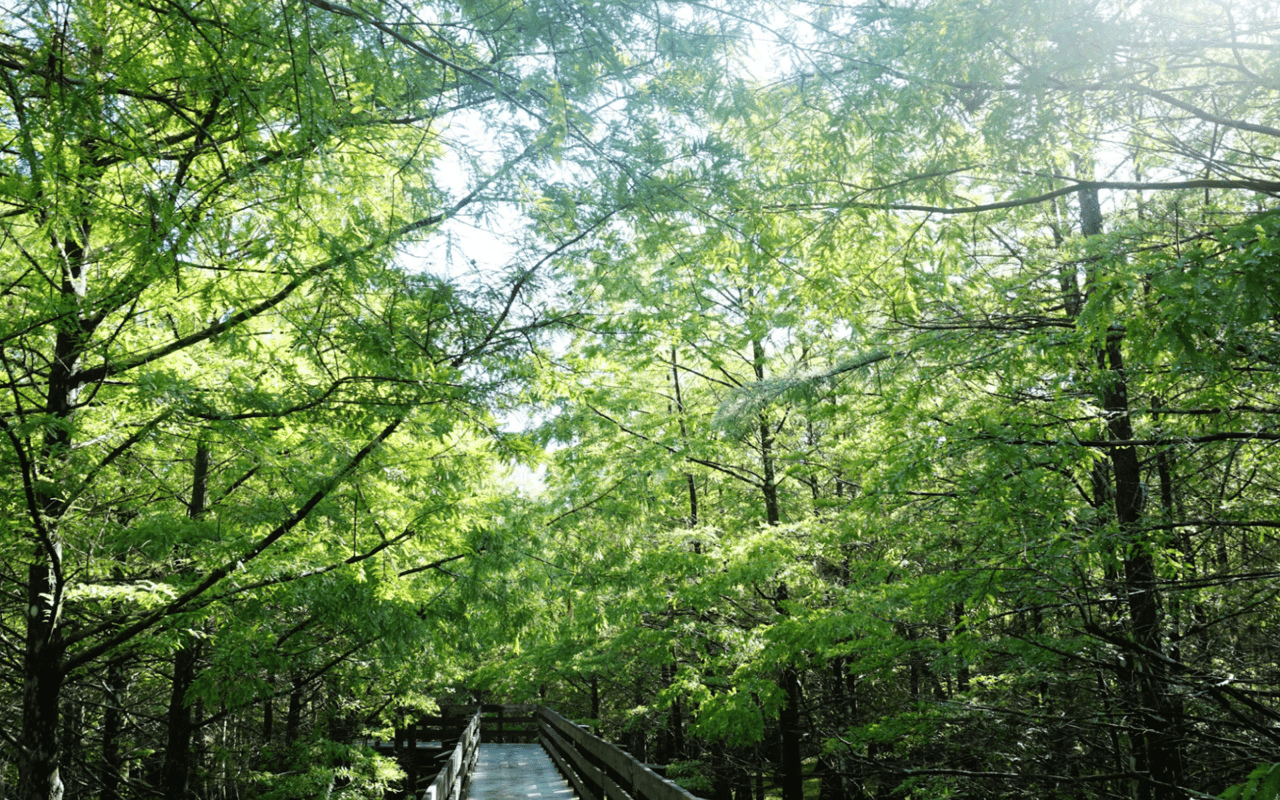
What followed was years of unpaid labor. Volunteers rebuilt collapsed bridges, replaced a fallen log between two trail entrances on January 30, 2021, and finished their largest structure, a 400 foot boardwalk spanning two creeks, on July 13, 2021. Today the system runs 4.2 miles through a canopy of oaks, bald cypress, palms, and longleaf pines, following the Alafia River the entire way. There's an exhibit along the route marking the top three flood heights recorded on the river since 1933, and another that walks through the wildlife that has called this stretch home, from prehistoric mastodons to the alligators and bobcats that still turn up today.
The entrance sits behind the clubhouse. You follow the sidewalk along the left side of the driving range and the trailhead is right there, easy to miss if you don't already know it exists. It's residents and club members only, not accessible from outside the gates, with trail cameras posted at several points and the usual reminder that poison ivy grows thick along the edges here in Florida.
No developer platted this. No HOA committee approved a construction budget for it. A handful of neighbors decided the woods behind their own backyards were worth reopening, and they kept showing up until it was done.
Same 200 Acres, Two Different Repair Jobs
Put the two stories next to each other and the pattern is hard to miss. One rebuild ran on capital: the HOA borrowed against future assessments, hired a superintendent with a track record of reviving neglected courses, and spent years pushing money into pumps, greens, and courts until the club looked like something worth being proud of again. The other rebuild ran entirely on labor: no budget line, no vendor contracts, just a rotating group of volunteers with tools and weekends to spare, working until a boardwalk held weight or a bench faced the right direction to catch the river view.
Both efforts trace back to the same instinct. Nobody outside River Hills was going to fix either of these things. The people who live here did, using whatever resource they actually had, money in one case and time in the other.
That matters for anyone who's called this place home since before 2019. The club you're a member of now, or the trail you might walk on a Sunday, isn't the version that came with the neighborhood when the first homes went up in the late 1980s. It's a version residents built twice, on their own initiative, and 2026 happens to be the year both projects are finished enough to actually use.
What a Weekend Actually Runs Like Now
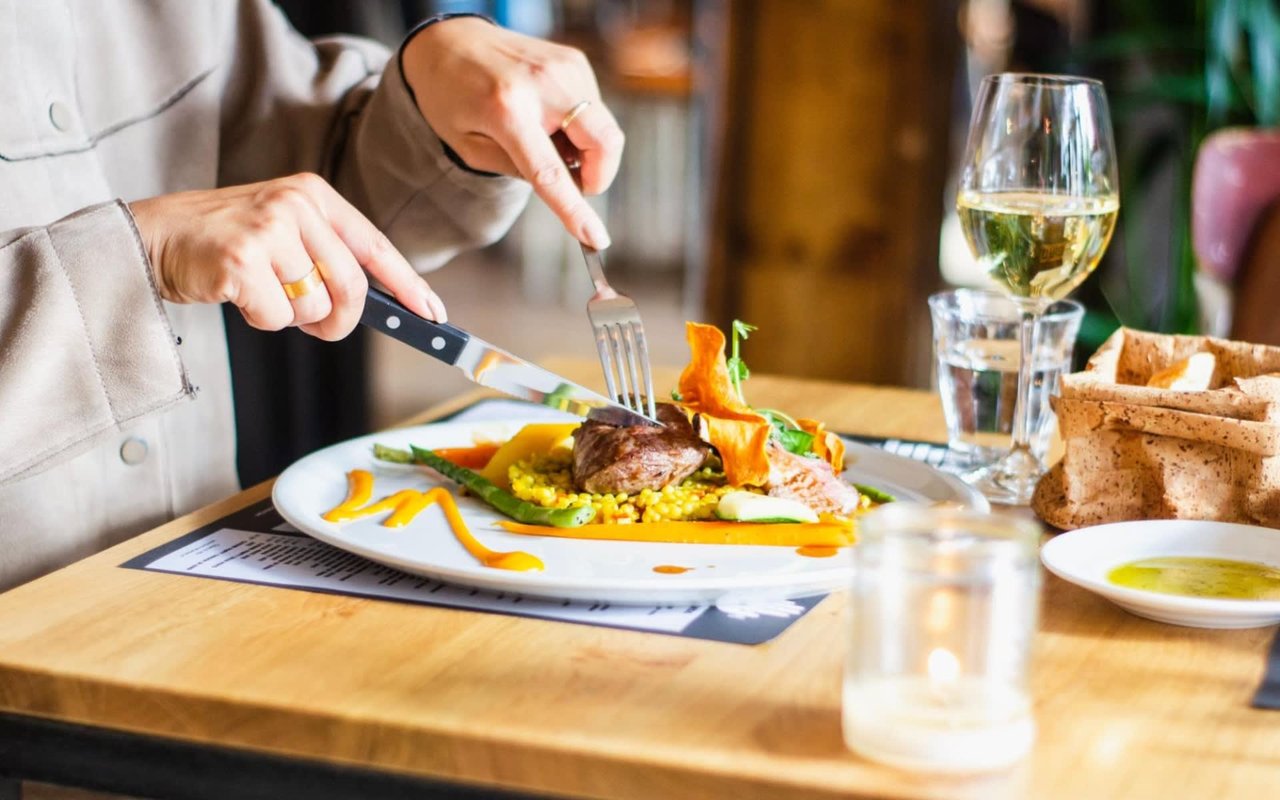
Put it together and a Saturday in River Hills looks different than it would have even three years ago. Morning starts on one of the pickleball courts, still new enough that regulars are figuring out who plays when. Lunch is at Sawgrass Grill, on The Deck if the weather cooperates, looking out over a golf course that's playing better than it has in years thanks to that October 2024 green resurfacing. Afternoon is the sidewalk past the driving range, into the trees, four miles along the Alafia with the flood marker and the wildlife signage giving the walk a little more texture than a plain loop through the woods usually has. Evening, if there's an event on, is The Oaks or Wingspan Terrace, where Chef Kyle's kitchen handles everything from a casual dinner to a full sit-down for two hundred.
None of that existed in this exact form five years ago. The club was still recovering. The trail was still overgrown. What's changed isn't the size of River Hills or its footprint on the map. It's that the amenities finally caught up to the effort two separate groups of neighbors put into them, and this year is when that effort is visible at the same time.
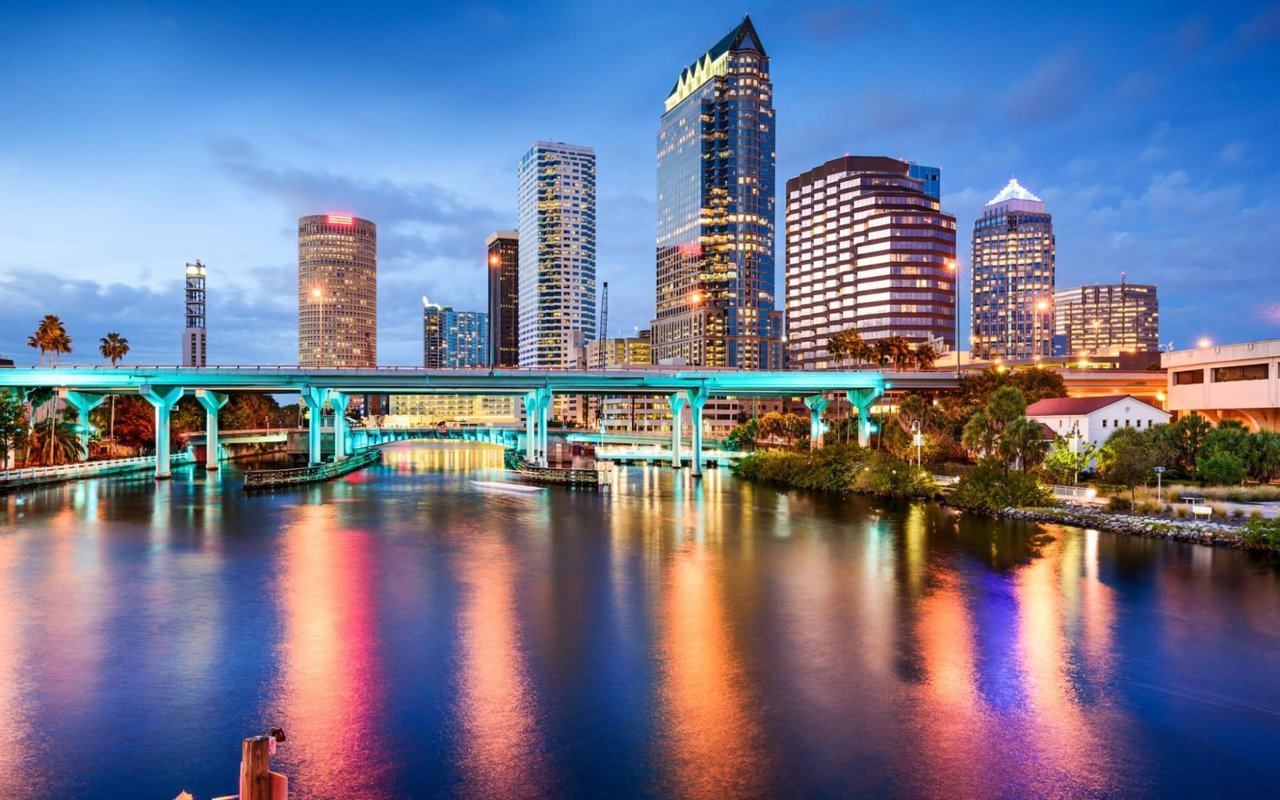
The Brenda Wade Team pays attention to stories like this because understanding how a neighborhood actually runs, not just how it's zoned or priced, is part of representing it honestly. If you're curious about what's happening in River Hills or anywhere else across Greater Tampa Bay, we're always glad to talk it through.